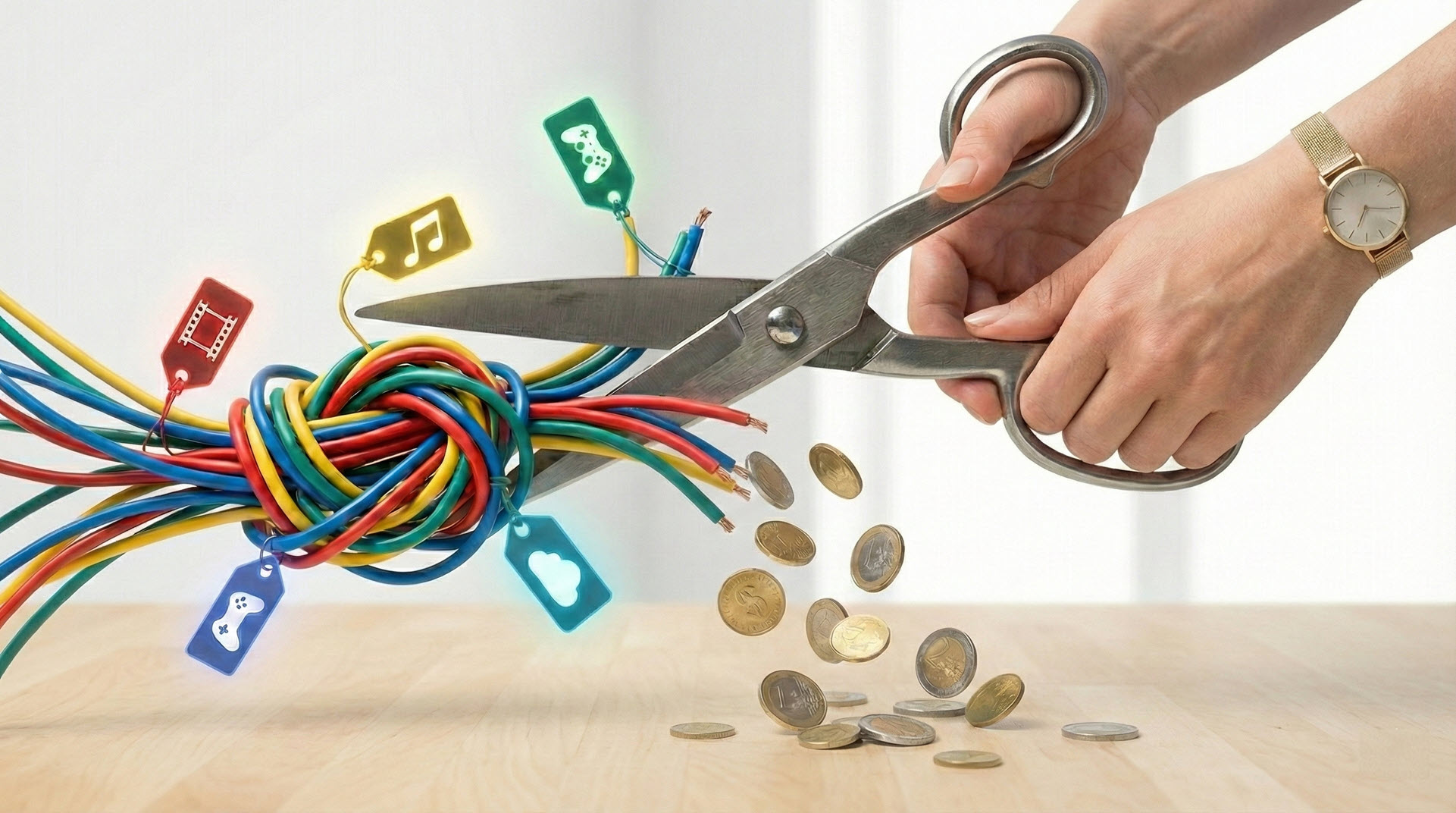
Why Post-Summer Holiday Money Stress is Completely Normal
Your post-holiday financial anxiety is completely normal and manageable with the right approach.


Quick Recap: In our article “How to Bounce Back from Summer Holiday Spending,” we explored why September feels so financially challenging and introduced the foundation-building approach to recovery. Now let’s dive deeper into the psychology behind your post-summer holiday money stress and give you practical tools to build confidence in your reset.
Ever notice how checking your bank balance after your summer holiday creates that pit-in-your-stomach feeling that definitely wasn’t there while you were sipping wine in Lisbon? Or how the first grocery shop feels like someone secretly increased prices while you were gone?
You’re not imagining it, and you’re definitely not alone! This happens to pretty much everyone who goes on holiday. The financial stress you’re feeling right now isn’t a sign that you’re bad with money or that you made bad decisions spending beyond your means. Really all it means is that you’re human and that your brain is doing exactly what brains do when they transition between different contexts.
The Science Behind Post-Summer Holiday Money Stress 😰
Research published in Medical News Today shows that symptoms of post-vacation depression may last up to 2 weeks after returning from vacation and can affect how a person performs at work or school. The study found that while vacations help improve mood and reduce mental stress, the positive effects may disappear within the first week of returning to everyday life.
A German study on short holiday stress found that even brief four-night holidays create measurable well-being improvements, but these effects disappear quickly once people return to their normal environment. The key insight from both of these studies? Context changes everything about how we feel and behave.
How Your Summer Holiday Spending Habits Stuck Around 🔄
Here’s where it gets really interesting. The spending patterns you developed on holiday weren’t random, they were responses to a specific environment and set of circumstances.
How Holiday Context Shaped Your Spending
On your summer holiday, a bunch of things made spending more feel totally normal:
- Limited kitchen access made eating out necessary
- Unfamiliar locations made convenience choices feel reasonable
- Time constraints justified quick, easy decisions
- Special occasion mindset made treating yourself feel appropriate
- Vacation momentum created a sense that normal rules were temporarily suspended
Why These Patterns Continued at Home
When you returned home, your physical environment changed, but your brain needed time to readjust. The convenience patterns that made sense in a hotel in Barcelona started to feel normal in your own kitchen. The “treat yourself” mindset that was perfect for exploring Paris began extending to regular Tuesday evenings.
This isn’t a failure of willpower, it’s just habits you created that are carrying over. Your brain learned new patterns while you were away and is still using them at home. The solution isn’t beating yourself up about it, it’s just noticing what’s happening and slowly adjusting back.
Why September Creates the Perfect Conditions for Change 🍂
Even if you’re not in school, most people are influenced by the academic calendar. This natural reset energy is why we explored the psychology of fresh financial starts earlier this year. Your brain is already ready for new habits, which makes financial changes feel more natural rather than like punishment.
Research shows that people do way better changing habits when they go with these natural cycles instead of fighting them. September’s back-to-school energy makes getting your finances sorted feel like a natural next step rather than some horrible restriction.
Practical Tools for Building Financial Confidence 🛠️
Now that you get why you’re feeling this way, let’s look at some actually helpful ways to build confidence while you get your finances back on track.
The 7-Day Adjustment Rule for Post-Summer Holiday Money Stress
When you notice financial anxiety rising, implement this simple process:
Days 1-3: Acknowledge and Accept
- Notice the anxiety without trying to fix it immediately
- Remind yourself: “This feeling is temporary and normal”
- Avoid making any major financial decisions while feeling stressed
Days 4-5: Do A Gentle Assessment
- Look at your actual numbers without judgment
- Ask: “What information is this anxiety giving me?”
- Focus on facts rather than feelings about those facts
Days 6-7: Take Small Steps
- Choose one small, positive financial step
- This could be meal planning for the next week, checking your Beewise investments, or organizing receipts
- The goal is to build momentum, not perfection
The Perspective Calculator
When summer holiday expenses feel overwhelming, put them in realistic context:
- Calculate your holiday cost per day: €800 holiday ÷ 7 days = €114 per day
- Compare to your daily earnings: €1,700 monthly salary ÷ 22 working days = €77 per day
- Reframe the narrative: Your 7-day holiday cost a bit over 10 working days of income
This isn’t about justifying overspending, it’s about seeing expenses in proportion rather than as overwhelming totals. Most summer holidays represent 5-10 days of work, not the financial catastrophe they might feel like.
The Recovery Visualization Exercise
Spend 5 minutes visualizing yourself three months from now:
- You’ve rebuilt your emergency fund or paid off holiday debt
- Your healthy spending habits feel automatic and natural
- You’re excited about your financial progress rather than stressed about past expenses
- You’re grateful for your summer holiday memories AND proud of your financial recovery
This exercise helps your brain focus on where you’re headed instead of stressing about where you are right now. It basically trains your subconscious to notice opportunities and make choices that actually get you to where you want to be.
Building Long-Term Financial Resilience 💪
The goal isn’t just to recover from the post-summer holiday money stress, it’s to build resilience that makes future holidays feel financially sustainable.
Creating Holiday Funds
Starting in October, think about setting up a dedicated summer holiday fund with Beewise. Even just €25 a month will create €300 for next year’s adventures. This turns holiday spending from a financial shock into something you’ve actually planned for.
Getting More Flexible with Spending
Instead of super strict spending rules, create flexible guidelines that work with life’s natural ups and downs. Higher spending during holidays and special occasions becomes totally manageable when balanced with more mindful spending during regular periods.
Strengthening Your Financial Foundation
Use tools like the Beewise Personal Finance Manager to understand your spending patterns without judgment. Automated categorization helps you see where money goes without the stress of tracking every single expense yourself.
Remember: Post-Summer Holiday Money Stress Is Temporary 🌅
Post-summer holiday money stress feels intense, but it’s also temporary. Your brain is simply adjusting from one context to another, and that adjustment takes time. The anxiety you’re feeling is information, not a permanent state.
By understanding the psychology behind your stress and using practical tools to build confidence, you transform what feels like a financial crisis into a normal life transition. September becomes an opportunity for positive change rather than a month of financial anxiety.
Your summer holiday was an investment in experiences, relationships, and memories that will last far longer than the financial impact. Now it’s time to invest that same intentionality in building financial habits that support both your immediate well-being and your long-term goals.
The foundation you build this month, both psychologically and practically, creates the stability that makes future holidays feel exciting rather than financially stressful. Want more practical strategies for building financial confidence? Sign up for our newsletter for monthly insights and updates.